Case Stories — LEADS

Case Stories from the Field

Real accounts of change from the villages of Jharkhand — in agriculture, water, education, livelihoods and women’s empowerment — made possible through LEADS’ work with communities on the ground.

CASE 01 Rohini Tiru's initiative as a woman entrepreneur for doing Clean Energy-based business

Rohini Tiru's initiative as a woman entrepreneur for doing Clean Energy-based business

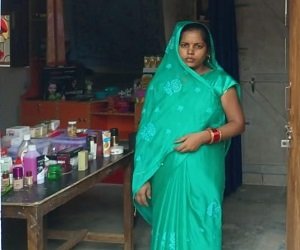
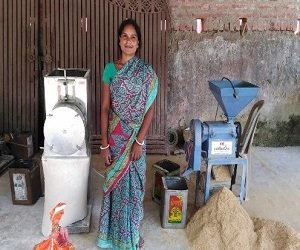
Beneficiary Name: Rohini Tiru Location: Pelol, Bichna Panchayat, Murhu, Khunti Background: Rohini Tiru, W/O-Sivakumar Tiru was a homemaker. Henceforth she could not financially contribute to her family income. Her family income was not adequate as they do not…Beneficiary Name: Rohini Tiru Location: Pelol, Bichna Panchayat, Murhu, Khunti Background: Rohini Tiru, W/O-Sivakumar Tiru was a homemaker. Henceforth she could not financially contribute to her family income. Her family income was not adequate as they do not earn much from the agricultural produces. LEADS Intervention: while returning home after attending SHG meeting, she met with LEADS staff working under Race project and came to know about entrepreneurship training programme organized by LEADS under Race project. She attended the entrepreneurship training program and got the detailed information on this subject during the training as well as technical part was also imparted. Changes: She was very delighted after attending the training and purchased wheat grinding and paddy harvesting machine which runs on clean energy with the help of SHG members. Presently, she is earning five hundred to six hundred rupees a day by dehiscing paddy and grinding wheat, and her family's expenses are met with this income apart from that she is paying instalments as she has purchased the machine with the help of SHG. She extended her gratitude the Race team of LEADS organization for their help and support. Key Learning: Always money not matters sometimes self-motivation and dedication does the work
CASE 02 Irrigation through the help of solar water pump and its advantages

Irrigation through the help of solar water pump and its advantages

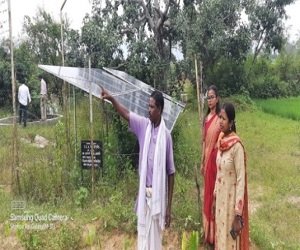
Beneficiary: Jagru Pahan Location: Mahil, Hassa, Panchayat, Murhu, District -- Khunti Background: Mahil is a small Village in Murhu Block of Khunti District of Jharkhand State, India. It comes under Hassa Panchayat; located 9 KM towards the South of the…Beneficiary: Jagru Pahan Location: Mahil, Hassa, Panchayat, Murhu, District -- Khunti Background: Mahil is a small Village in Murhu Block of Khunti District of Jharkhand State, India. It comes under Hassa Panchayat; located 9 KM towards the South of the District headquarters Khunti. The farmers generally rely on diesel-run pumps or pumps run by electricity. The condition of irrigation is not proper in Jharkhand so the farmers face huge losses. LEADS Intervention: Under the Race project the farmers of Mahil village are using solar pump that is running by the help of solar panels, which is pollution-free and since the production has increased, the income has also increased. Mr. Jagru Pahan who is the beneficiary of the solar water pump has attended the VCEC meeting organized by LEADS, in the meeting he had acquired full knowledge on the operation and maintenance part of solar water pump. The training was provided to the farmers on how to start the pump, operation, and maintenance part. The benefits of solar water and its repairing part and after several follow-ups' application was passed and solar water pump was installed in the farm of Jagru Pahan. Changes: Since he has started using solar water pump which is running by the help of solar panel so it had benefitted him. The cost of electricity bills and diesel has reduced and when at night when there is no power, he utilises the solar power for operating lights. Apart from that now in one season, he is cultivating two to three crops that resulted in his income increment. He is growing several types of vegetables and crops like peas and tomatoes.

CASE 03 High Value Crop changed the life of Malti Devi

High Value Crop changed the life of Malti Devi

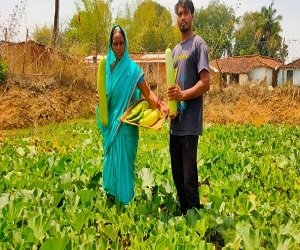
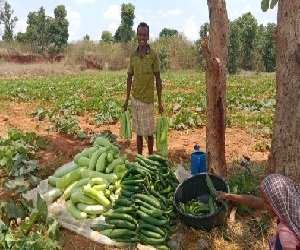
With deteriorating economic conditions in the rural India and increased interest in natural and sustainable living, many folks are turning to high value crop farming to maintain supplement to their family's diet and uplift economic conditions. Food grown…With deteriorating economic conditions in the rural India and increased interest in natural and sustainable living, many folks are turning to high value crop farming to maintain supplement to their family's diet and uplift economic conditions. Food grown through this cultivation practices consumes less cost intensive and the grower can be sure of what exactly was used to grow it. This is an integration of success mantra for sustainable agriculture. Keeping this in mind, the Project seeks to motivate the farming community in the intervention villages to practice high value crop cultivation by facilitating the training programmes and providing support with the seeds. 45-Year-old Malti Devi lives in Budhangoda village of Koh Panchayat, Petarwar Block with a family of 4 members. She engaged in traditional seasonal cultivation practices but the meagre income was never sufficient for meeting needs of her family. Ultimately, it was through HRDP they overcome their plight. During the course of interventions in her village, she enrolled for natural farming training and learnt the techniques. The Intervention has supported her with high value seeds such as Bitter Gourd, cucumber and bottle gourd and she started cultivating these varieties on her 25 decimal of farm land. Now, the yield of produce of 40 to 45 kg every day except the next day earning a profit of 15000- 20000 /- rupees in a single season by selling these vegetables. She meets out her family needs and investing on education for both children. She overwhelmed with joy. Encouraged by the success, she is determined to continue the practice and became the model progressive farmer. This will not only save me money but will also provide my family good nutritious food- She Said.

CASE 04 VILLAGE LEARNING CENTERS: Enabling rural children access to education during COVID lockdown

VILLAGE LEARNING CENTERS: Enabling rural children access to education during COVID lockdown

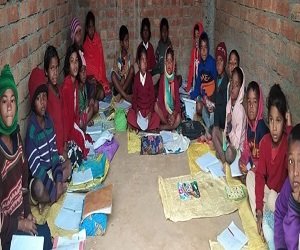
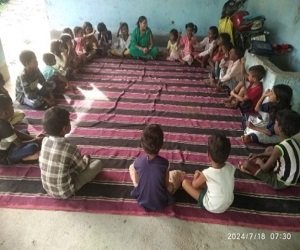
COVID 19 has severely impacted the lives and livelihoods of the rural population. Children are one of the worst affected by COVID 19, especially in rural and tribal areas. The subsequent closure of the schools deprived children of rural areas without any…COVID 19 has severely impacted the lives and livelihoods of the rural population. Children are one of the worst affected by COVID 19, especially in rural and tribal areas. The subsequent closure of the schools deprived children of rural areas without any access to formal education. LEADS, with the support of ILP initiated Village Learning Centres for class 1-5 children in Bandgaon block of west singhbhum district. Educated youth from rural villages were engaged as education volunteers also called VIDYA SAATHI. 46 Village Learning Centres were established with the support of VidyaSaathi's. The VidyaSaathi's were provided trainings on teaching methodologies in foundational literacy and numeracy. Different learning resources were provided to the Village Learning Centres. Learning level assessments were done with children to assess improvement & gaps in language and numeracy. During 2021-22, the Village learning centres reached to more than 1200 children with foundational learning support.

CASE 05 VILLAGE LEARNING CENTERS: Enabling rural children access to education during COVID lockdown

Community makes way for new AWC building

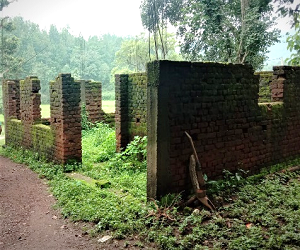
Dudhkundi is a medium size village in Tebopanchayat of Bandgaon block of Jharkhand. This village is tribally populated with 76 households and has a total population of 372 with 173 male and 199 female. Anganwadi in the village caters to the needs of 71 children of 0-6 age group....Dudhkundi is a medium size village in Tebopanchayat of Bandgaon block of Jharkhand. This village is tribally populated with 76 households and has a total population of 372 with 173 male and 199 female. Anganwadi in the village caters to the needs of 71 children of 0-6 age group. The anganwadi in at Dudhkundi village is running from a rented space. Although building construction for anganwadi has initiated but was stopped before the completion of work. In 2018-19 period, LEADS started working in Tebopanchayat and the field staffs visited Dudhkundi village. They observed the incomplete construction and discussed this issue with the community members and anganwadi worker. In subsequent visits to the village, the field staffs participated in the traditional Gram sabha meetings and highlighted this issue. Gram sabha also wanted the building and decided to demand for it. LEADS field staffs facilitated them in making an application which was later submitted to the CDPO office at Bandgaon. Later on, some members of village Gram sabha also met the CDPO and urged her to look into this matter. The ICDS office started official procedures for work initiation after that.During the later stages of 2020, the construction of anganwadi building restarted. It completed on 2021 and was handed over to the community. It could never have been possible if the community could not have responded.

CASE 06 VILLAGE LEARNING CENTERS: Enabling rural children access to education during COVID lockdown

Suniti A Story of Joy

Meet the always smiling Suniti (name changed) from Koderma district in Jharkhand. Her district was once known as the mica capital of India but the enactment of the Forest Act imposed restrictions on mining in forest areas. Mica production soon became and underground economic....Meet the always smiling Suniti (name changed) from Koderma district in Jharkhand. Her district was once known as the mica capital of India but the enactment of the Forest Act imposed restrictions on mining in forest areas. Mica production soon became and underground economic activity leading to the development of black market for the same, where thousands of children like Suniti work under exploitative and harmful conditions to generate some additional income for their families. As she started earning as a child, she lost her interest in education and had stopped going to school. The situation further worsened during the pandemic as the schools were closed. Her regular life involved going to the mines with her family to collect mica straps. LEADS team sensitized her family, about the importance of education in securing a bright future for the child. Consequently, she started coming to the bridge classes regularly, which aims at improving the learning standards of dropout and irregular students which aids them in joining regular school. Here, she also got an opportunity to play many sports and took part in several activities. She loves being a part of all the activities in the bridge classes. She is very active member of children’s group formed in her village. She aspires to become a teacher and has started sharing her learning in class. She was a very shy and quite girl during the initial months. Now she has been actively participating in all the activities along with voicing her concerns. She believes that Education is a fundamental right and all should be entitled to it. She said thank you to everyone for bringing back the joy in her life. In her journey she continues toinspire others to pursue education and secure a happy present and bright future.

CASE 07 VILLAGE LEARNING CENTERS: Enabling rural children access to education during COVID lockdown

Christopher gets back to school

Christopher Mundu, a 08-year boy from Adivasi, Munda community lives in Tokad village of Bandgaon block, West Singhbhum. He comes from a family with a poor economic background. In 2021, he was admitted to Grade 01 in UMS Timda. However ...Christopher Mundu, a 08-year boy from Adivasi, Munda community lives in Tokad village of Bandgaon block, West Singhbhum. He comes from a family with a poor economic background. In 2021, he was admitted to Grade 01 in UMS Timda. However, he was irregular from the beginning and soon dropped out of the school. His parents, hailing from a poor and uneducated background were little aware about the benefits of education and did not show any interest in getting him back to school. During enrollment campaign, the project team of LEADS got to know about the drop out case of Christopher from the school. As a part of the program, the project staff visited his home and counseled his parents over a period of one year to send Christopher back to school. After a gap of one-year he rejoined the school but felt out of place as he lagged behind in learning levels compared to his other classmates. He was further assisted in bridging the knowledge gap and learning levels in relation to other children in the school. This allowed him to come at par with his classmates and gave him the self-confidence to attend the school regularly. He now wants to study further as he wants to become a police officer in the future. The story of Christopher is a beacon of hope for many other children who drop out school at a young age due to lack of knowledge about the importance of education in securing a bright, respectable and prosperous future.

CASE 08 VILLAGE LEARNING CENTERS: Enabling rural children access to education during COVID lockdown

Acquainting the children with Adivasi culture and tradition

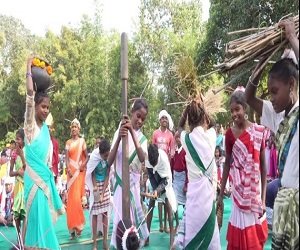
Kuda Panchayat is in the Murhu block. Kuda village belongs to this panchayat having 7 villages in total. The village is located 30 km from the main road and the major population belongs to Munda community, an Adivasi group. The village has one school in which the enrolment rate is 39. ...Kuda Panchayat is in the Murhu block. Kuda village belongs to this panchayat having 7 villages in total. The village is located 30 km from the main road and the major population belongs to Munda community, an Adivasi group. The village has one school in which the enrolment rate is 39. The school has only two teachers. Anu Kumari who comes from an Adivasi family studies in class 3 of this school. On interaction with her it came to the notice of LEADS team that she had very little knowledge about her tradition and culture. Moreover, in the era of rapid globalization the existing cultural values were getting lost, especially among the younger generation and children, as they saw their own culture as inferior and outdated. LEADS under the Adivasi project is undertaking activities to generate awareness about various aspects of tribal traditions and culture such as food, clothes, ornaments etc. among the children to acquaint them with their culture and develop a sense of pride and belongingness in them. Anu Kumari through this intervention has not only learned about her culture but has also emerged as leader, sharing her learnings with other children and community members. This has generated a genuine interest in the community in learning about the Adivasi culture creating a sense of pride and belongingness along with facilitating the restoration and preservation of Adivasi culture.

CASE 09 VILLAGE LEARNING CENTERS: Enabling rural children access to education during COVID lockdown

“No more absence from school during periods-UMS, Nagnagar”

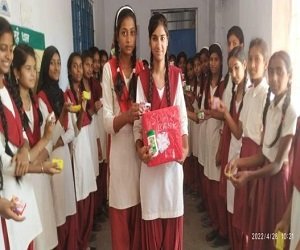
“Where there is a will, there is a way.” The journey of MHM Lab in Upgraded Middle School, Nagnagar of Govindpur block in Dhanbad district started with routine discussion in school on menstrual hygiene management with the teachers and students by UNICEF supported LEADS team. Through the discussions ...“Where there is a will, there is a way.” The journey of MHM Lab in Upgraded Middle School, Nagnagar of Govindpur block in Dhanbad district started with routine discussion in school on menstrual hygiene management with the teachers and students by UNICEF supported LEADS team. Through the discussions, it was apparent that girls were hesitant towards discussion about menstruation. Nevertheless, the team continued the discussion with them so that they open up more. Further, through these awareness sessions, students learnt about MHM Lab and how it can help them during menstruation. Upon learning about it, they also shared about their challenges during period and how some girls don’t come to school for 3-4 days during their periods as there is no proper facility concerning menstruation. Learning about how MHM Lab can help them overcome these challenges, they anonymously agreed that there is a need for this in the school campus and also talked about it with school management. Teachers were also supportive to this idea and they agreed to develop the MHM Lab. UMS, Nagnagar has strength of 232 students with 7 teachers. Since all the rooms were occupied, some students suggested that Library is big enough and MHM Lab can be created in the library through separation. The school management liked the idea and moved forward with this. The MHM lab was developed in the said space through school fund. The MHM Lab has been developed to ensure that girls do not miss out on school during their periods and get adequate sanitation facility in school itself. Added to some basic facilities, the MHM lab is equipped with a Bed to take rest, a Hot water bag to get relief during menstrual cramp, and general medicines (only prescribed by a certified doctor) to relieve menstrual pain & Pad vending machine. A query box has also been installed to address MHM questions of students every month. The walls of the Lab have been painted with innovative and useful messages which are assisted by girls and boys of the school. Apart from this, some IEC material has been put in the room for the students to learn more about it. Peer group has been formed who will facilitate regular discussions amongst other students. Kaushal Kumar, School in charge says it’s the students who have motivated us to develop the MHM Lab. We thought we do not have enough space for this but they somehow found a way for it. Raushan Aara (Pradhan Mantri) from std. 8 says “When we started discussing on MHM lab, it was instant anonymous decision amongst us that we want this lab to be developed in our school. Now we don’t have to miss our school during our periods. We also don’t feel hesitant about discussing menstruation at our school as well as home. It was the will of the students and the support from the management that MHM lab of this nature was developed with limited resources. This will definitely address the issue of absenteeism. Other schools will also be motivated and replicate it in their respective schools.

CASE 10 VILLAGE LEARNING CENTERS: Enabling rural children access to education during COVID lockdown

Providing Fundamental Learning Support to Tribal Children

COVID 19 severely impacted the lives and livelihoods of majority of Indians, especially the rural population. One such region is the Kolebira Block in Simdega District. Children going to school in these areas were virtually forced to quit education due to closure of schools during lockdown ...COVID 19 severely impacted the lives and livelihoods of majority of Indians, especially the rural population. One such region is the Kolebira Block in Simdega District. Children going to school in these areas were virtually forced to quit education due to closure of schools during lockdown. Many poor tribal families did not have to resources to ensure that their children could continue with online education. Thus, the learning gap between rich and poor, and rural and urban population increased manyfold due to the digital divide during COVID-19 lockdown. As a result, once the schools reponed, the children in Kolebira were found to be lagging behind in learning skills. It was difficult for them to catch up with age-appropriate learning outcomes and many started losing interest in formal education. In this situation, LEADS initiated setting up of learning centers with the support of MCKS Trust for class 1-5 children in 25 villages of Kolebira block. Educated youth from villages were identified and engaged as education volunteers also called VIDYA SAATHI. These Vidya Saathi’s were trained on teaching methodologies in foundational literacy and numeracy. Different learning resources were provided to the Village Learning Centres. Learning level assessments were done with children to assess improvement & gaps in language and numeracy. During 2022-23, these 25 Village learning centres reached to more than 700 children with foundational learning support. Analysis of learning assessment conducted showed that more than 80 percent children in these Village Learning Centres have shown improvement in foundational numeracy and language. The children have now redeveloped their lost interest in education and are willing to go back to school. Vidhya Saathi has now developed as a model and beacon of hope for reducing the learning gap between rich and poor, and in rural and urban areas.

CASE 11 VILLAGE LEARNING CENTERS: Enabling rural children access to education during COVID lockdown

Solving the Drinking Water Problem at Bande Village’s Anganwadi Center

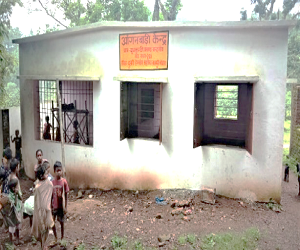
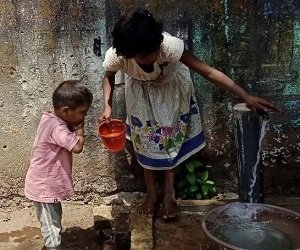
In Bande Village, located in the Panchayat Kodakel of Murhu block in the Khunti district, there existed a significant issue related to drinking water supply. The village is merely 1 kilometer away from the block headquarters, making this issue particularly pressing....In Bande Village, located in the Panchayat Kodakel of Murhu block in the Khunti district, there existed a significant issue related to drinking water supply. The village is merely 1 kilometer away from the block headquarters, making this issue particularly pressing. The primary cause of the problem lay with a water pump located near the Anganwadi center, which was consistently in poor condition. Despite numerous attempts at repairing the water pipe, the problem persisted, causing immense inconvenience to the Anganwadi service providers and the children who relied on this center for their drinking water needs. Recognizing the gravity of the situation, the project staff decided to act. They contacted Jal Sahiya, a local water resource expert, seeking a solution. Jal Sahiya promptly acknowledged the issue and reached out to the contractor responsible for overseeing the Jal Jeevan Mission, a government initiative focused on providing clean drinking water. Upon contacting the contractor, it was revealed that obtaining a water connection for the center required the consent of the Gram Sabha, the village's local governing body. Consequently, a Gram Sabha meeting was organized with the facilitation of the project staff, involving Jal Sahiya, Health Sahiya, and Anganwadi workers. In the meeting, it was collectively decided to pursue the installation of a water connection at the Anganwadi center under the Jal Jeevan Mission scheme. Subsequently, following the Gram Sabha's consent, a water connection was successfully provided to the center through the Jal Jeevan Mission initiative. This development has had a significant positive impact on Bande Village's Anganwadi center, ensuring that the Anganwadi workers and children now have access to clean drinking water for their daily needs.

CASE 12 VILLAGE LEARNING CENTERS: Enabling rural children access to education during COVID lockdown

From Margin to Mainstream

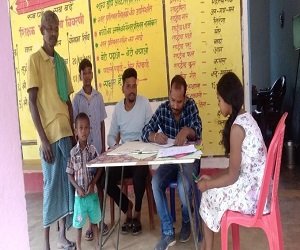
Anugrahit Mundu, aged 20 years comes from Godatoli village of Godatoli Panchayat of Khunti district. There are seven family members in her family. Her father is a farmer and mother sells vegetables. Their financial condition was not very good as there were seven members in the family. It was very difficult for her parents to manage the family needs. ...Anugrahit Mundu, aged 20 years comes from Godatoli village of Godatoli Panchayat of Khunti district. There are seven family members in her family. Her father is a farmer and mother sells vegetables. Their financial condition was not very good as there were seven members in the family. It was very difficult for her parents to manage the family needs. The District Facilitator (DF) of LEADS attended the ‘Gram Sabhas’ in various communities in Panchayats of Khunti to orient the community on project and its deliverables. In this meeting the details about various govt. schemes, skill trainings and support provided by LEADS was shared. After the meeting Anugrahit contacted the DF to get more in formation on the skill trainings. The DF visited her and explained her about the courses, duration etc. Knowing this Anugrahit decided to go for 60 Days training of Machine Operator conducted by ‘Kalyan Gurukul’ and got the admission. After the completion of the course, Anugrahit is now employed in Minda Company. Prior to starting her education, she used to assist with home chores and work with family members on farm and household projects. Now she can support her family financially and sends money for her family every month. Her smile tells her change story. She receives honoraria beginning at ₹12,581/month. Today, Anugrahit and her family members are very happy to share about the support received from LEADS & its staffs who educated her about the skill training which she was unaware of. This has motivated other youths in the village to learn employable skills which can help in improving their income and standard of living.

CASE 13 VILLAGE LEARNING CENTERS: Enabling rural children access to education during COVID lockdown

Drinking Water Solution through Chuan Renovation

Karu village is situated in Champawa Panchayat Bandgaon Block West Singhbhum. It is home to 40 families. The members of the village are dependent on a community chuan for meeting their water needs for drinking and domestic purpose. Overtime the chuan had become dilapidated with use and no maintenance ...Karu village is situated in Champawa Panchayat Bandgaon Block West Singhbhum. It is home to 40 families. The members of the village are dependent on a community chuan for meeting their water needs for drinking and domestic purpose. Overtime the chuan had become dilapidated with use and no maintenance. Since the surroundings of the chuan is dirty, during monsoon water flowing into the chuan contaminated the water stored in the chuan. Also, the two hand pumps that have been installed in the village are dysfunctional leaving the community depended upon chuan for meeting their everyday need of water. As a result, the residents of Karu village became vulnerable to various water borne diseases. The Gram Sabha initiated a meeting under the leadership of the Gram Pradhan, where it was decided that an application requesting the repair of chuan should be given to LEAD After receiving the application from the gram sabha, LEADS undertook restoration of Chuan with the help of community itself. After restoration, the community gained access to clean drinking water. Also, their vulnerability to water borne diseases has reduced. Also, the women don’t have to travel long distances for fetching water. The community expressed their gratitude and their trust in LEADS as an organization has increased. The gram sabha feels empowered and has expressed their interest in taking up other developmental matters for the benefit of the community.

CASE 14 VILLAGE LEARNING CENTERS: Enabling rural children access to education during COVID lockdown

“Empowering Agriculture Transformation: Pushpa Devi’s Journey from Traditional Farming to Sustainable Success”

Pushpa Devi, the wife of Mr. Basudeo Yadav, comes from a low-income household with limited access to education, healthcare, and treatment. As a stay-at-home wife, she relies on borrowing money from her SHG to cover her family's minor needs. She struggles to use her farm land for cultivation due to her lack of knowledge in contemporary agricultural methods ...Pushpa Devi, the wife of Mr. Basudeo Yadav, comes from a low-income household with limited access to education, healthcare, and treatment. As a stay-at-home wife, she relies on borrowing money from her SHG to cover her family's minor needs. She struggles to use her farm land for cultivation due to her lack of knowledge in contemporary agricultural methods. Pushpa attended LIFE project at the LEADS organization, where she learned about the LIFE project and its facilities, such as the revolving fund, SRI method, and their advantages and so on. She also participated in bookkeeping training and livelihood training, learning about new technology in farming and the distinction between chemical and organic fertilizers. Due to her family's low income, she needed to increase the family's income generation capacity and hoped to expand her agricultural knowledge. She needed assistance in marketing to maximize market share for her farm and generate greater income. The organization educated recipients about tools for managing crops more effectively, including spades and water pumps, and offered training sessions on using contemporary methods. Field trips and interactions with other local farmers helped beneficiaries learn from one another and advance their farming practices. She was also granted a Rs. 750/- revolving fund to help her with operations along with a library of literature on sustainable farming and advanced agricultural approaches. Pushpa can now provide a bigger and more consistent crop production. This has encouraged other women in the village to take up modern farming practices which will help them increase their income and secure better livelihood.

CASE 15 VILLAGE LEARNING CENTERS: Enabling rural children access to education during COVID lockdown

Recognising and respect in society after becoming Women Mate

Name: Santoshi Devi, Husband: Rajendra Nayak, Age: 32, Vill & GP: Hassa, Toli: Harijan Toli Block: Murhu, Dist.: Khunti, Jharkhand, Reg. No: JH-01-012-007-002/117300, Mob. No: 7857924426. ...Name: Santoshi Devi, Husband: Rajendra Nayak, Age: 32, Vill & GP: Hassa, Toli: Harijan Toli Block: Murhu, Dist.: Khunti, Jharkhand, Reg. No: JH-01-012-007-002/117300, Mob. No: 7857924426. Santoshi Devi is a resident of Harijan toli of Hassa Village. She belongs to Schedule Caste. The village is near to Hassa Panchayat Bhawan 2 km from Nile factory in Khunti, Murhu road. She was residing in a joint family after marriage. The family comprises of 8 persons. She was a homemaker and the husband was a laborer. The financial condition of the family was awful. Unable to endure domestic violence, Santoshi Devi decided to leave her in-laws' house and return to her parents' home. She planned to start working so that she could support her 2 children. During SHG meeting she met LEADS staff who acquainted her with MGNREGA, women mate program that is implemented in her village and women can work as mate in MGNREGA. With the willingness of SHG members she was selected to work as mate. After that she was registered in MGNREGA portal, is having job a card of her, along with that ID card was provided to her. She attended the mate trainings exposure and after that she wrote an application to Rojgar Sewak for work demand as mate. Soon she was allotted work as a mate for supervising the work in didi badi Yojana, trench cum and bund and irrigational well construction schemes. Till now she has completed 35 Didi Bari Yojana, 5 Irrigation well and 12 Trench cum Bund where more than 30 labors were engaged regularly at sites. Her aim is to take individual schemes to every household of her village so that they can avail the benefits under MGNREGA. She has received a payment of Rs 33,570/- after working as a mate. She mentioned that being women and belonging to the downtrodden section of the society she was finding difficulties in working. With the intervention of LEADS she was able to work in MGNREGA as mate. She is the president of Block level women Mate federation. She is motivating the other women of the village to work as mate. She is being recognized in her village for her good work and has met Ms. Rajeshwari B, MGNREGA Commissioner of Jharkhand along with other mates to share achievement, concern, issues and challenges of women mates faced at work site.

CASE 16 VILLAGE LEARNING CENTERS: Enabling rural children access to education during COVID lockdown

“Empowering Dreams: Sarita Devi’s Journey from a Village to a Blossoming Entrepreneur”

Today, we are discussing the empowerment of women- their strive to match up to men's expectations and walk hand in hand with them. Let's delve into the story of a named Sarita Devi, residing in the small village of Medanipur Panchayat, Sasaram District, Rohtas, and Bihar. Despite hailing from an underprivileged family, Sarita refused to let go of her aspirations for education ...Today, we are discussing the empowerment of women- their strive to match up to men's expectations and walk hand in hand with them. Let's delve into the story of a named Sarita Devi, residing in the small village of Medanipur Panchayat, Sasaram District, Rohtas, and Bihar. Despite hailing from an underprivileged family, Sarita refused to let go of her aspirations for education. Even after her marriage to Dharmaraj Singh, aged 35, she pursued her dream of completing her graduation. LEADS further assisted Sarita by conducting site visits to identify an appropriate location for her chosen business. They also guided her through market linkages, facilitating her access to information about procuring and selling products. A crucial piece of advice was to set up her shop on the main road for better customer convenience. Following their advice, she inaugurated her dream venture – a cosmetic shop. Initially, she faced challenges, but with perseverance, she overcame them and today, her shop thrives Her family was not insisting her to work anywhere. This constant struggle left her disheartened. However, when the LEADS organization learned of her situation, they immediately recommended her for a project sponsored by Welspun. The project aimed to involve her as a leader in their community development initiative. Sarita eagerly embraced the opportunity. Under the guidance of LEADS and Welspun, she underwent her first Life Skills Training, equipping her with essential life skills. Following this, she was enrolled in an Entrepreneurship Development Program (EDP). The program assessed her ability to manage a business and her understanding of business-related facts. Eventually, she took the Trade Bar exam, where she gained insights into her preferred trades – beauty parlors and cosmetic shops. With training completed, LEADS, with support from Welspun, provided her with funds through their initiative "Well Leadership" to help her initiate her business journey. Sarita expressed her gratitude towards LEADS and Welspun, acknowledging their pivotal role in realizing her aspiration to earn her own income. She summed up her journey by saying, "Thanks to LEADS and Welspun, today I am earning for myself." Sarita's story epitomizes the potential of determined women to overcome obstacles, seek knowledge, and become self-reliant entrepreneurs, all while striving to stand tall beside their male counterparts.

CASE 17 VILLAGE LEARNING CENTERS: Enabling rural children access to education during COVID lockdown

Solar Powered Cold Stroage Installed at Kharsidag adding value to the life

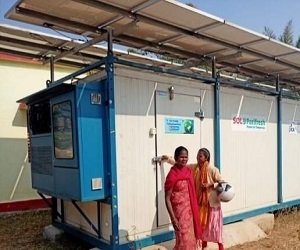
Kharsida is a village located in Lalkhatanga Panchayat of Namkum district in Ranchi. Most of the residents in this village are dependent upon agriculture as a means of livelihood. After the availability of drip irrigation and implementation of KUSUM scheme, the local farmers have been able to cultivate crops successfully, especially perishable items like vegetables, resulting in higher yields. ...Kharsida is a village located in Lalkhatanga Panchayat of Namkum district in Ranchi. Most of the residents in this village are dependent upon agriculture as a means of livelihood. After the availability of drip irrigation and implementation of KUSUM scheme, the local farmers have been able to cultivate crops successfully, especially perishable items like vegetables, resulting in higher yields. However, despite the higher yields the farmers failed to secure fair prices for their produce due to distress selling. Additionally, there were instances when surplus vegetables produced was stored for extended periods, leading to spoilage. Thus the absence of proper storage facility led to significant losses for the farmers despite increased produce. LEADS, under RACE project held the meeting with the VCEC Members, Mukhiya and Gram sabha to discuss the above- mentioned issue. Accordingly, it was decided to set –up cold storage facility in the village with the help of JSLPS. Albina Ekka, members of VCEC took the initiative of writing an application to JSLPS regarding the establishment of cold storage and conducted regular follow ups. After a period of 6 months a solar powered cold storage was setup in the village with the assistance of VCEC. The vegetables can now be stored for 3 months without getting spoiled. This has led to an increase in the income of the farmers by reducing wastage along with better realization of price based on market demand. The intervention will help achieving SDG 1: No Poverty, SDG 2: Zero Hunger, and SDG 6: Clean Water and Sanitation. Thus, strong, vigilant and functional Community Based Organizations can act as agents of change and help in realization of UN Sustainable Development Goals for the most poor and marginalized.

CASE 18 VILLAGE LEARNING CENTERS: Enabling rural children access to education during COVID lockdown

With the Supoort of SMC, a nutrition garden was setuo in school campus

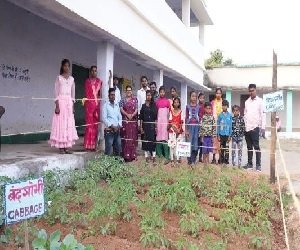
Tangiya - Nutrition Garden was set up with the support of School Management committee at Government Primary school, Tangiya Initiative taken by the School Management Commiittee With the recognition of the members of the school management committee, the village board of education and parents ...Tangiya - Nutrition Garden was set up with the support of School Management committee at Government Primary school, Tangiya Initiative taken by the School Management Commiittee With the recognition of the members of the school management committee, the village board of education and parents, all students in the village attend school regularly. At school management committee meetings, members discuss about school development plans, quality education, inclusive education, mid day meal, nutritious meals and children's issues. As a result, students attend school regularly and receive quality education. SMC president Mr. Paulush Barjo said that post intervention of Sahbhagi Vikas Gram Sabha, School Management committee and SHGs are strengthened and are being awared about their basic rights, the activities which has taken place for livelihood enhancement, the community has been empowered with the help of training provided to them. Women of the village are currently doing agriculture practices on their field to generate income as well as they are also inclined towards goat/sheep rearing. The SMC members, teachers along with students of the primary school are extremely happy with developed nutrition garden. Mr. Nawal Kishore Singh, Principal of the school, says that they will add on more facilities in coming years in the nutrition garden model which is developed with support of Sahbhagi Vikas so that children can also get nutritious food from their school. Similarliy, getting inspired from the case, the school management committee of Savanajara, Baldega and Mayomdega schools are aware and developed nutrition garden in their school campus.

CASE 19 VILLAGE LEARNING CENTERS: Enabling rural children access to education during COVID lockdown

Subhadra Devi became a role model for women farmer

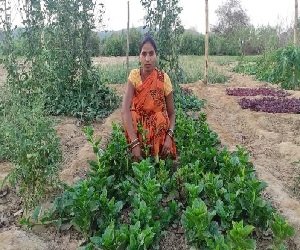
Name: Subhodra Devi, Husband Name: Jugeshwar Manjhi, Village: Konaskeli, G.P: Baghdega, Block: Kersai, District: Simdega, State: Jharkhand Subhodra Devi and Jugeshwar Manjhi live in Konaskeli village along with their young daughter. After marriage both of them were forced to take up farming as means livelihood as they owned land ...Name: Subhodra Devi, Husband Name: Jugeshwar Manjhi, Village: Konaskeli, G.P: Baghdega, Block: Kersai, District: Simdega, State: Jharkhand Subhodra Devi and Jugeshwar Manjhi live in Konaskeli village along with their young daughter. After marriage both of them were forced to take up farming as means livelihood as they owned land. However, they had no irrigation facilities and were forced to lead a life of poverty facing many bitter experiences. In this situation, Subhodra became a member of SHG and borrowed Rs. 2000/- from SHG for staring her own business. However, she was unable to invest this money in productive activities due to lack of idea and opportunities. She met a member of the LEADS in SHG meeting and expressed her interest in farming activities. In accordance with her interest she was suggested to use perineal source of water for agricultural activities. Subhodra dug a small pond in her piece of land with help of fellow SHG members and undertook natural farming over a small patch of land. Further, her husband was encouraged to fence around their farm. After some convincing, Joegeshwar agreed to cooperate with the ideas, and they planted variety of vegetables. She used her Rs 2000/- for purchasing seeds from Krishi Vigyan Kendra with assistance from LEADS and put nylon net around 2 acres of land. They also attended various training program conducted by LEADS on natural farming, preparing organic manure, pesticides, insecticides etc. Subhodra has cultivated bottle guard, cabbage, green peas in 60 decimal land and earned around Rs. 28000/- which further helped them in scaling up their farming activities and increase income. This has provided better life opportunities to their daughter and has allowed them to construct a small house in field. The project has supported them with seeds, modern techniques of farming, convergence support with line departments etc. Subhodra has emerged a women model farmer in the village and is now a role model for many other women engaged in farming sector.

CASE 20 VILLAGE LEARNING CENTERS: Enabling rural children access to education during COVID lockdown

“From Village Talent to Limelight: Prabha Kumari’s Inspiring Journey”

Prabha Kumari from Katamkulhi village under the Petarwar block. Along with her studies, Prabha has a special interest in folk singing and regional music. She is a 10th graduate from Katkamkulhi High School and is in the limelight these days due to her folk singing talent. Due to the lack of a platform for her talent, Prabha's abilities were not reaching the audience until recently. ...Prabha Kumari from Katamkulhi village under the Petarwar block. Along with her studies, Prabha has a special interest in folk singing and regional music. She is a 10th graduate from Katkamkulhi High School and is in the limelight these days due to her folk singing talent. Due to the lack of a platform for her talent, Prabha's abilities were not reaching the audience until recently. However, under the joint efforts of LEADS and HDFC Bank Limited, the holistic village development program was undertaken. As part of this initiative, the school underwent renovation and modernization, including the construction of a theater stage to promote cultural activities alongside academics. In this regard, Republic Day 2023 provided an opportunity for Prabha to showcase her talent. She not only displayed her skills in front of the entire village but also received praise from the villagers. Her talent quickly gained popularity in the Katamkulhi region through digital media, and her singing style and talent were recognized. Seeing her talent, respected individuals from the village began to approach her with gifts and encouragement. Now, Prabha aspires to prepare for a future in the field of folk singing. Prabha mentions that performing on stage initially made her hesitant, but continuous performances with her fellow students gradually removed her inhibitions. She is now invited to perform on many occasions, where she receives some monetary rewards that help her purchase educational materials. The principal of the school, Mr. Shahir Ansari, mentions that the facilities provided by LEADS have contributed significantly to the all-round development of children in the school. Children are excelling not only in academics but also in the field of art.

CASE 21 VILLAGE LEARNING CENTERS: Enabling rural children access to education during COVID lockdown

Smart Classes of School: Reason for low dropout

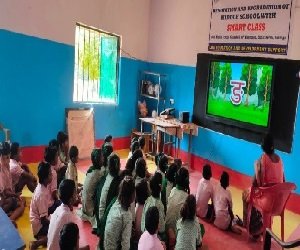
Rajkiya utkrimit middle school Konsakeli , Panchayat: Baghdega, Block: Kersai, District : Simdega A high percentage of dropouts and low attendance had been observed in Middle school at Konsakeli village. Earlier 70% of children attended school. Children did not feel encouraged to go to school because of the lack of good infrastructure and old methods of teaching...Rajkiya utkrimit middle school Konsakeli , Panchayat: Baghdega, Block: Kersai, District : Simdega A high percentage of dropouts and low attendance had been observed in Middle school at Konsakeli village. Earlier 70% of children attended school. Children did not feel encouraged to go to school because of the lack of good infrastructure and old methods of teaching. The knowledge level among students decreased and they lacked confidence in participating in school activities. Apart from curricular activities children did not show good results which somehow affected the newer school comers. It was a major concern for the village people as they could not see their children not going to school and indulging in non-social activities. LEADS felt the need to intervene in the education area with the collaboration of Andheri Hilfe Bonn. The school infrastructure was renovated. Apart from renovating the school building, smart boards were installed in the classroom for children so that they could study live, making use of modern technology. Now, children can learn new techniques and methods in their subjects accordingly, and they will get exposure to the latest trends in teaching /learning methods and also will be updated. LEADS with AHB and BMZ project invested in the smart classrooms and installed Digital boards, the school is supported with Library books and play materials for children attending school regularly. After the changes in the school infrastructure, it was observed that there has been a slight increase in the percentage of attendance. Now, 95% of children are attending school regularly. Children are encouraged to attend school regularly. The quality of education in the school has increased, which can also be seen among children using Digital boards without hesitation. There is a tremendous increase in the knowledge level among children and teachers as well. Now, Children love to attend school as they spend quality time learning as well as they get enough time for games and playground activities.

CASE 22 VILLAGE LEARNING CENTERS: Enabling rural children access to education during COVID lockdown

Shivangi’s Journey to a Bright Future

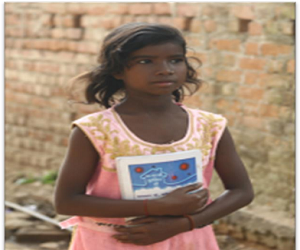
Shivangi Kumari is a 7-year-old girl living in Taraghati village, Meghatri Panchayat, Koderma Block, Koderma District, Jharkhand. Her village is remote, located 20 km from the District administrative offices and 30 km from the Block Development Office. Unlike other villages in Meghatari Panchayat, which are clustered together, Taraghati is isolated by 6 km ...Shivangi Kumari is a 7-year-old girl living in Taraghati village, Meghatri Panchayat, Koderma Block, Koderma District, Jharkhand. Her village is remote, located 20 km from the District administrative offices and 30 km from the Block Development Office. Unlike other villages in Meghatari Panchayat, which are clustered together, Taraghati is isolated by 6 km, and resides between dense forests and hills. This isolation has contributed to high migration rates, with many villagers leaving in search of economic security. Those who remain mainly depend on mica collection and liquor selling for their livelihood. The village also faces severe water scarcity, especially during the summer, which affects sanitation and hygiene. Shivangi lives with her parents, Shankar Bhuiya and Leela Devi, one younger sister, and two elder sisters. Her father used to work as a labourer in another state but had returned home during the COVID-19 pandemic after being contaminated with the virus. His prolonged illness led to a significant financial crisis, leaving the family dependent on mica collection for their income. One of Shivangi’s elder sisters is married and lives with her spouse, while another studies at Kasturba Gandhi Balika Vidyalaya in Koderma. Approximately 9-10 months ago, the LEADS team identified Shivangi during a community visit. They found that she was 6 years old and not enrolled in school. Her parents explained that they took her along for mica collection early in the morning, as they had to prioritize immediate financial needs over education. Realizing the urgency of the situation, the LEADS team intervened by communicating with the teacher of the local primary school. They confirmed that Shivangi could be admitted in the next academic session in 2024. The LEADS team also spoke with Shivangi’s parents, about the importance of education and the potential for a brighter future if their daughter attended school. They convinced the parents not to take Shivangi to the mica collection and instead send her to school. As a result, Shivangi was enrolled in the village primary school this year through the Enrolment Campaign and also joined the children’s group. LEADS organizes various activities to encourage active participation and retention in the children’s group, such as drawing competitions, which Shivangi enjoys. Through these activities, we educate children about the importance of education, children’s rights, and environmental conservation. We also engage the children in practical activities like making seed balls. These initiatives help in the retention of children in the school and a sense of responsibility among the children. Shivangi, now in class one, attends school regularly. Her involvement in the children’s group has helped her develop a keen interest in education and other activities. She has expressed her aspiration to become a teacher. We ensured her enrolment in school and engaged her in meaningful activities, LEADS is helping Shivangi and other children in similar situations build a foundation for a better future.

CASE 23 VILLAGE LEARNING CENTERS: Enabling rural children access to education during COVID lockdown

Rugged to Model Anganwadi

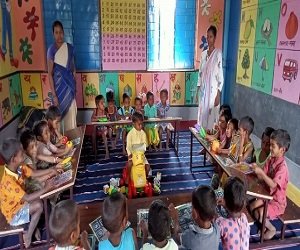
Anganwadi Centre Mudkurtoli, Village: Konsakeli, Panchayat: Baghdega, Block: Kersai, District: Simdega Mudkurtoli Anganwadi Centre has an enrolment of 18 children between the age group 0-5 years; nine lactating mothers visit the Anganwadi Centre regularly since they are enrolled in the child and mother care program, 10 Pregnant women are ...Anganwadi Centre Mudkurtoli, Village: Konsakeli, Panchayat: Baghdega, Block: Kersai, District: Simdega Mudkurtoli Anganwadi Centre has an enrolment of 18 children between the age group 0-5 years; nine lactating mothers visit the Anganwadi Centre regularly since they are enrolled in the child and mother care program, 10 Pregnant women are enrolled and visit the centre regularly as they are part of safe motherhood program and 16 adolescent girls are regular in the program conducted in Anganwadi Centre for adolescent health and hygiene every week. The Anganwadi centre in Mudkurtoli village holds an important place in the lives of many women, children and adolescent girls. Since health is an integral part of every human life, it is more important for women, children and adolescent girls as these are the vulnerable groups in our community. A healthy mother makes a healthy family, and a healthy child represents the growth of the nation. Therefore good health of young girls will strengthen the health of the future nation because they will be future mothers. A healthy body can give birth to a healthy child. With this concept, Anganwadi Centres are established in each village. Earlier, in the Mudkurtoli Anganwadi Centre, the infrastructure was rugged, with few women, children and young girls attending Anganwadi Centre. They hesitated in sitting on the wrecked floor and feared the spread of diseases. Looking at the miserable situation and need for renovation, LEADS and AHB intervened in the community and renovated the Anganwadi Centre. Alongside making it a child-friendly place, wall painting had also been done with the theme of children learning the alphabet (English and Hindi), number counting, etc. For children sitting at a low desk, Dari has been provided. Play materials have been provided for children attending Anganwadi Centre to encourage regular attendance. After the renovation and support with necessary amenities in the centre, a simple infrastructure changed into a model Anganwadi Centre. Now, there has been a substantial increase in the number of children, mothers and young girls attending Anganwadi Centre. Not only the beneficiaries but the Anganwadi Sevika and ANM are also happy with this change. They are encouraged to make awareness about mother and child health in their Anganwadi Centre. Children are eager to attend the Anganwadi Centre regularly. At present, 26 children aged 0-5 years are attending Anganwadi Centre, which is a rise of 44% attendance. Konsakeli village people are thankful to LEADS and AHB for this intervention, which has changed the perspective of people. They were apprehensive about relying on government services and infrastructure, but now having a Model Anganwadi Centre in their village has changed their perspective, and they wish to see the same model for each village in the Simdega district.

CASE 24 VILLAGE LEARNING CENTERS: Enabling rural children access to education during COVID lockdown

Healthy Life in a Nutrition Garden

Neelima Devi( 59 years )lives with her husband Shankar Pradhan (63 years) and two sons at Konsakeli village, Kersai Block. Neelima Devi and her husband are farmers, and among the two sons, the elder son is married and stays with his parents in the same house and supports them in farming, whereas the younger son is studying in Ranchi. ...Neelima Devi( 59 years )lives with her husband Shankar Pradhan (63 years) and two sons at Konsakeli village, Kersai Block. Neelima Devi and her husband are farmers, and among the two sons, the elder son is married and stays with his parents in the same house and supports them in farming, whereas the younger son is studying in Ranchi. Neelima and Shankar own a farmland where they grow paddy each year. The 2-acre farmland is far from their house which is only used for crop produce. She lives in a mud house with her family. Apart from the area of her house, a small piece of land approx. 3 decimals in the courtyard had never been used by them. LEADS and Andheri Hilfe Bonn intervened in Neelima Devi’s village with the concept of a nutrition garden to encourage the farmers to grow nutritious vegetables and fruits in the surroundings of their house for self-consumption. Neelima Devi and many more farmers in her village participated in the training program on Nutrition Garden. Neelima Devi attended the training on maintaining and preparing a Nutrition Garden, preparing fields and soil, selecting high-quality seeds, using compost and fertilisers, growing seasonal vegetables and fruits etc. They were also supported by vegetable seeds of different varieties like bottle guard, cucumber, bitter guard, lady’s finger, poi saag, spinach, lal bhaji, sponge guard etc. Fruit plants sapling was also given, like banana and papaya. The Nutrition Garden maintenance did not require extra cost as it is feasible to maintain in a small area near the proximity of their house. Neelima Devi applied all the learnings which she acquired in training in her Nutrition Garden and was successful in growing vegetables. Neelima fed her family with the nutritious vegetables grown in her Nutrition Garden. She had enough vegetables after consumption so she decided to sell the vegetables in the local market weekly, and as a result, her weekly income came to be Rs 700-800/-. She is happy to take care of her small nutrition garden because the unused land has turned into a source of income for her family. Also, their family members could eat fresh home-grown vegetables of different varieties instead of buying them from the market. Neelima Devi is an inspiration to many women in her village to initiate a Nutrition Garden on a small piece of land with zero cost. Neelima Devi is thankful to LEADS and Andheri Hilfe Bonn for the Seed Support and Nutrition Garden Training. This initiative has taught many women like Neelima Devi that a small space can make a big difference, which results in greater achievement.

CASE 25 VILLAGE LEARNING CENTERS: Enabling rural children access to education during COVID lockdown

“Green Fields of Hope: Martin Pahan’s Farming Story”

Martin Pahan, a 45-year-old resident of Chhota Pandu village in the Bichna Panchayat of Murhu block, Khunti district, Jharkhand lives with his family of five. His primary source of livelihood is farming. Martin, the son of Nicholas Pahan, is a hardworking farmer who used to struggle ...Martin Pahan, a 45-year-old resident of Chhota Pandu village in the Bichna Panchayat of Murhu block, Khunti district, Jharkhand lives with his family of five. His primary source of livelihood is farming. Martin, the son of Nicholas Pahan, is a hardworking farmer who used to struggle with the limitations of his small landholding. He often faced difficulties in providing for his family and educating his children due to insufficient agricultural produce. The lack of knowledge about modern and organic farming techniques further compounded his challenges. Martin frequently expressed that without adequate land, substantial farming was not feasible. Moreover, the high cost of fertilizers, seeds, and pesticides posed significant financial burdens. In response to these challenges, LEADS, an organization dedicated to sustainable development, organized a two-day agricultural training session in Chhota Pandu village. Martin Pahan eagerly participated in this training. During the sessions, he learned various techniques to enhance soil fertility, such as applying lime to the soil, preparing fields before sowing, making organic fertilizers, creating seed beds, purchasing quality seeds from stores, and preparing organic pesticides to protect crops from pests. The training was comprehensive, covering theoretical, written, and practical aspects of these methods. One of the crucial insights Martin gained from the training was the possibility of leasing land for farming, a common practice among those with limited land. Inspired by this, Martin leased two acres of land in addition to cultivating his one-acre plot. Applying the knowledge and techniques he acquired, Martin's farming efforts began to yield substantial results. His diversified crops brought in significant income: ₹20,000 from bitter gourd, ₹30,000 from watermelon, ₹15,000 from chili peppers, ₹1,000 from pumpkins, and ₹2,000 from sponge gourds. These earnings have enabled him to support his family better and ensure his children's education. LEADS continues to encourage and support Martin Pahan, offering further training to improve his farming practices. They have also promised to assist him in availing benefits from various government schemes. Martin's story is a testament to how education and the adoption of sustainable agricultural practices can transform lives, turning challenges into opportunities for growth and prosperity.

CASE 26 VILLAGE LEARNING CENTERS: Enabling rural children access to education during COVID lockdown

Traditional Farmer turned Model Farmer

Francis Ekka (58 years) lives with his 3 sons, 2 daughters and 3 grandchildren at Korkotjor village, Konjobha panchayat, Kersai Block. Francis Ekka is one of the model farmers from Korkotjor village and lives with his family in the village. His occupation is farming, and he runs his family income through agriculture. Francis had been practising the old method of farming by which he could barely earn income from the yield. He has been working hard in each season for good yield but is unable to yield large ...Francis Ekka (58 years) lives with his 3 sons, 2 daughters and 3 grandchildren at Korkotjor village, Konjobha panchayat, Kersai Block. Francis Ekka is one of the model farmers from Korkotjor village and lives with his family in the village. His occupation is farming, and he runs his family income through agriculture. Francis had been practising the old method of farming by which he could barely earn income from the yield. He has been working hard in each season for good yield but is unable to yield large quantities of crops with better income as he doesn’t have complete knowledge of modern farming methods, protection of crops from pests, marketing skills, etc. Therefore, instead of enjoying yield, Francis had to suffer the loss of crops, and thus, he was discouraged from farming on a large scale. His income was meagre and was getting worse over the time. He had no choice except to switch to another profession, but he had no expertise in other areas. Francis was disappointed and discouraged by the farming situation he had to face. During that time LEADS intervened in Korkotjor village. Among several activities implemented in the village development, one of the activities was to train farmers on scientific methods of farming, which would help in higher crop production, putting low input cost. The training also taught farmers to use modern farming tools so as to save time during farming so that multiple crops could be grown simultaneously in one field. Protection of crops from pests using organic pesticides was also taught in the training. Francis grabbed the opportunity to learn about scientific farming techniques and methods. Francis applied all his learnings from the training in his field to grow crops. He learnt new methods to administer seeds in his field and practised the same regularly. He also started using different types of farming tools, which he had learnt during the training session. Francis used organic pesticides and medicines to protect the crops from pests. As a result, Francis could yield good crops and different varieties at the same time. Francis says: he is happy with the result which he never expected, and to his surprise he had put low input cost and achieved a high income. Francis is one of the model farmers in his village, as he has done a tremendous job in farming. Because of his good crops and large quantity yield, he has been recognised as a model farmer in his village. Francis has set an example for other farmers in his village that through hard work, dedication and guidance everything is possible. Since then, Francis continued to practice the new learning on his farm. His income has increased, and he has earned maximum profit. Also, he could grow a variety of vegetables and sell them in the local market. Francis sold his crops in the vegetable market, which is chilli grown in 4 decimal and earned Rs.700-800 per week, tomato grown in 6 decimal and earned Rs.1500-2000, green peas grown in 5 decimal lands earned Rs.1500-1600, cabbage grown in 2 decimal and earned Rs.1000-2000 income each week. Francis is earning a high profit by selling vegetables grown on his farmland. All his family needs are duly fulfilled and he could even support his grandchildren’s education. For this, he is quite satisfied and happy. Francis says: I’ve secured my children’s future now, I want to secure my grandchildren’s future. He considers himself a proud grandfather. Francis is thankful to LEADS and the AHB project for the initiative taken in their village. Like Francis, there are many other farmers in the village who need similar support, and the project continues working for the need-based area and interventions are done accordingly.

CASE 27 VILLAGE LEARNING CENTERS: Enabling rural children access to education during COVID lockdown

“A Step Towards Employement: Shivshankar Ganjhu’s Goat Farming”

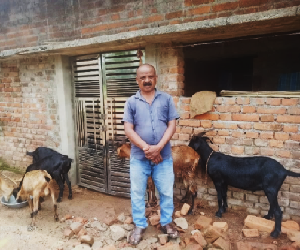
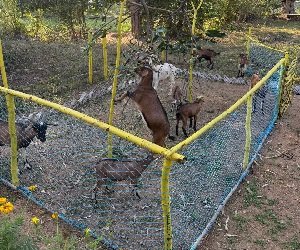
Shivshankar Ganjhu, son of Chaman Ganjhu and Jeeva Devi, is a resident of Gargali, Indirabad village, under Mandu Chatti Panchayat, Mandu block, Ramgarh district in Jharkhand. He belongs to the Scheduled Tribe (ST) community and has completed his education up to B.A. He is 45 years old and lives with his family, which includes his wife, three daughters, and one son, making a total of 6 members in the household ...Shivshankar Ganjhu, son of Chaman Ganjhu and Jeeva Devi, is a resident of Gargali, Indirabad village, under Mandu Chatti Panchayat, Mandu block, Ramgarh district in Jharkhand. He belongs to the Scheduled Tribe (ST) community and has completed his education up to B.A. He is 45 years old and lives with his family, which includes his wife, three daughters, and one son, making a total of 6 members in the household. Shivshankar comes from a very poor family. To sustain himself and his family, he relies on farming and rearing a goat (female) and two bucks (male). Due to their poor financial situation, it is very challenging for them to educate their children, who all attend government schools. Despite their desire to engage in some form of business, they are unable to do so due to a lack of capital. Through the Ramgarh District Facilitator of the LEADS organization's Migrant Labor Project, Shivshankar and his wife were introduced to the activities of the organization and informed about the Migrant Labor Project. They were identified as potential social volunteers. Showing a keen interest in volunteering, Shivshankar was selected to be a social volunteer. Shivshankar received training as a social volunteer and in goat farming. This training provided him with valuable information about government schemes and self-employment opportunities. Initially, he had a goat (female) and two bucks (male). After the training, he learned that goat farming could significantly increase his income and connect him to self-employment opportunities. He applied for the Mukhyamantri Pashudhan Vikas Yojana and, under this scheme, received 4 goats and a buck with a total cost of ₹24,800. The government provided a subsidy of ₹22,320 for ST beneficiaries, with Shivshankar contributing ₹2,480. The scheme was approved for Shivshankar. Shivshankar Ganjhu attended a two-day Livestock Management Training on July 25 and 26, 2023. Before the training, he had one goat and two bucks worth ₹15,000. After the training, Shivshankar focused on goat farming and, by selling rice, potatoes, onions, garlic, and vegetables, bought three goats on August 9, 2023, for ₹12,000. Currently, he owns 4 goats and 6 bucks, which are valued at approximately ₹56,000. Goat farming has increased his income by ₹29,000, making Shivshankar and his family very happy. With the additional four goats and one buck from the government subsidy scheme, his income will further increase. Shivshankar Ganjhu and his family express their gratitude to the LEADS organization. He believes that encouraging people to engage in goat farming will undoubtedly increase their income.

CASE 28 VILLAGE LEARNING CENTERS: Enabling rural children access to education during COVID lockdown

“Tinagina Livestock Development Center: A New Direction in Rural Empowerment”

Tinagina, a small village 17 km from the Jaldega block in Jharkhand’s Simdega district, is home to about 200 families. The village relies on agriculture and traditional livestock rearing, with most residents from tribal communities. Due to rudimentary methods and lack of awareness about modern techniques and government schemes, livestock rearing contributes minimally to villagers' income. They often lose animals due to insufficient vaccinations, further affecting their livelihood. ...Tinagina, a small village 17 km from the Jaldega block in Jharkhand’s Simdega district, is home to about 200 families. The village relies on agriculture and traditional livestock rearing, with most residents from tribal communities. Due to rudimentary methods and lack of awareness about modern techniques and government schemes, livestock rearing contributes minimally to villagers' income. They often lose animals due to insufficient vaccinations, further affecting their livelihood. LEADS, operating in 25 villages under the REAR project, sought a location for a Livestock Development Center. Tinagina was chosen, but the challenge was finding an appropriate building. Villagers identified an unused sub-health centre, which LEADS selected for the new center. The Gram Sabha (village assembly) was convened to discuss repurposing the sub-health center. Villagers supported the initiative, and the Gram Sabha unanimously approved the establishment of the Livestock Development Center. This was a pivotal moment for Tinagina's development. With approval secured, LEADS and the villagers worked together to renovate the building, repairing windows and fencing the premises with bamboo. After a month and a half, the center was ready. The next step was to decide on management. Villagers formed a management committee, nominating Ramesh Kashi, an experienced local livestock rearer, as the veterinarian and key figure. The committee provided leadership to ensure the center's success. The Livestock Development Center enabled villagers to learn modern techniques, transitioning from traditional practices to more profitable methods. The center became a hub for educating villagers on modern livestock practices, including vaccination, nutrition, and animal care. It promoted livestock insurance and informed villagers about government schemes. The center's efforts led to increased income and economic improvement for the villagers. The Livestock Development Center empowered Tinagina’s residents, encouraging them to adopt modern livestock rearing methods and improving their economic conditions. The villagers also gained access to government schemes, contributing to their self-reliance. Conclusion The Livestock Development Center has transformed Tinagina by introducing modern livestock rearing techniques, leading to increased income and rural empowerment. It showcases the potential for development in rural areas through proper guidance and information, marking a milestone in both livestock rearing and rural economic development.

CASE 29 VILLAGE LEARNING CENTERS: Enabling rural children access to education during COVID lockdown

Hard Work is the Key to Success

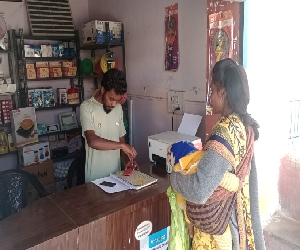
Beneficiary: Suchit Toppo Locagtion: Village: Mahilong,Panchayat: Mahilong,Block: Namkum ,District: Ranchi Suchit is a resident of Mahilong village. The socioeconomic condition was not good he was only able to complete his matric and six-month electronic course. Suchit Toppo thought of starting his own business ...Beneficiary: Suchit Toppo Locagtion: Village: Mahilong,Panchayat: Mahilong,Block: Namkum ,District: Ranchi Suchit is a resident of Mahilong village. The socioeconomic condition was not good he was only able to complete his matric and six-month electronic course. Suchit Toppo thought of starting his own business, but due to lack of money, he was facing difficulty. However, Suchit, who is interested in technical work did not give hope. Initiative: -Suchit met with the LEADS staff in the VCEC meeting, where he got information about clean energy, as well as technical training on electrical and solar equipment, after which he expressed his interest to the staff of LEADS to start his own venture. In which he was given financial assistance from the organisation of Rs 25000. Suchit's dream got a new direction after receiving this amount. With that incentive, Suchit fulfilled his start-up dream in which he is repairing electrical equipment as well as buying and selling electrical equipment, as well as starting a clean energy solution centre in which he does repair work as well as sells solar energy equipment like LED bulbs, solar lamps, mobile repairing services and Xerox. His total Net Income is Rs. 27000/- for two months. Impact: - Today Suchit Toppo has his shop from which he can earn well, and at the same time, he helps strengthen the financial condition of his family. In the end, this success story inspires us that no matter what the circumstances, those who work hard never fail.

CASE 30 VILLAGE LEARNING CENTERS: Enabling rural children access to education during COVID lockdown

Hard Work is the Key to Success

In the revenue village of Amtipani Panchayat of Bishunpur block of Gumla district, the land of farmers is cultivable up to 50 acres near the Sankh river. The whole village is dependent on agriculture, and farmers do farming only by using diesel engines for irrigation. Due to the increasing prices of diesel fuel, most of the farmers find it difficult to undertake farming profitably ...In the revenue village of Amtipani Panchayat of Bishunpur block of Gumla district, the land of farmers is cultivable up to 50 acres near the Sankh river. The whole village is dependent on agriculture, and farmers do farming only by using diesel engines for irrigation. Due to the increasing prices of diesel fuel, most of the farmers find it difficult to undertake farming profitably LEADS staff under Race Project Bishunpur, which is working on clean energy. A clean energy committee has been formed in every village for the promotion and adoption of clean energy. Through this forum, problems that arise there in the village, are discussed in monthly meetings. In this meeting, the means of irrigation through solar lift irrigation was discussed so that the farmers can get an alternate and replace the expensive and polluting diesel engines for irrigation. A Solar Lift irrigation system was installed near the Sankh River through the initiative of the community. The availability of irrigation facilities has allowed the farmers to cultivate a variety of crops around the year. The result of the initiative and effort under the Race project is that now people are producing vegetables in large quantities without the use of diesel engines and increasing their income by selling them in the local market.

Scroll to Top